A complete inquiry is the shortest path to price and layout
Factories worldwide answer faster when capacity, route, and site constraints are in one message. Use this checklist for email, WhatsApp, or the quote form.
RFQ checklist for almond hydraulic oil press projects: seed form, kg/shift, hot/cold, filtration, cake path, power, country, and photos. Incomplete inquiries get catalog replies — complete packs get model counts and line scope.
1. Seed reality
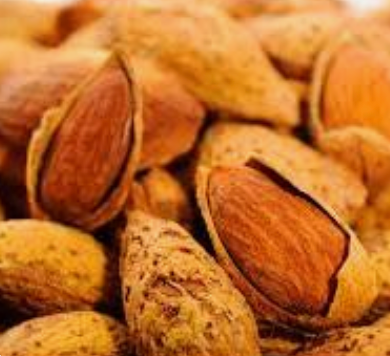
Photos of seed/kernel, moisture if known, and whether shelling/roasting is done.
2. Output target
kg/shift, oil use (shop / bottle / drum / export), hot or cold claim.
3. Site constraints
Workshop size, power, existing machines, country of install.
Copy-paste this block into WhatsApp
Seed: almond Form: whole / kernel / roasted / dried kg per shift: ____ hours/shift: ____ Route: hot / cold / not sure Product: crude / filtered / bottled / export Cake: feed / food flour / unknown Country + city: ____ Power: ____ V / ____ Hz / phases Existing equipment: ____ Photos: seed + workshop (attach)
Incomplete RFQs only get price ranges
- Without kg/shift we cannot count 325 vs multi-press lines.
- Without hot/cold we cannot choose 300/325 vs 355–500.
- Without cake path we mis-size discharge and storage.
- Without country we miss voltage, logistics, and compliance notes.
- Photos cut one round of clarifying emails.
Size capacity and process family, then paste the checklist
Barrels × cycle × presses
Hot ~1.5 h / 2 barrels; cold ~4.5 h / 2 barrels with loading — count presses from shift kg.
Read →Hydraulic vs screw
Batch quality / cold press vs continuous bulk — pick the process family first.
Read →Site quote guide
Seed-specific project inputs and configuration boundary for this crop.
Read →What a good reply should contain
- Recommended process family (hydraulic batch vs other).
- Model class (e.g. 325 hot or 355–500 cold) and rough press count.
- Must-have modules: clean, roast/cook, filter, tanks, fill.
- Open questions still blocking a firm quotation.
- Optional: machine-only price band vs full line discussion.
What to confirm before scoping almond Oil Press Inquiry Checklist: Data That Gets a Real Quote
almond Oil Press Inquiry Checklist: Data That Gets a Real Quote should not be quoted from an equipment name alone. Check feed lots, target oil, post-press handling, and packing rhythm in one scope before deciding which Almond Oil Press modules stay. Factory cold-press page lists this oilseed — prioritize 355–500 (370–630 ton), pure press ~2 h/barrel.
When feed condition, moisture, impurities, batch weight, and product position are unclear, press tonnage and filter area become guesswork. Factory systems share 60 MPa and 2.2 kW motors; hot pure press is 30–40 min/barrel and cold pure press is ~2 h/barrel — cycle time matters more than brochure tonnage.
- Confirm whether feed is whole seed, kernels, pretreated material, or an existing semi-finished stream.
- Confirm whether the target is crude oil, filtered oil, bottled oil, drum ingredient oil, or a refining handoff.
- Hot cycle reference: pure press 30-40 min/barrel, ~1.5 h for 2 barrels with loading; cold pure press ~2 h/barrel, ~4.5 h for 2 barrels.
- Confirm batch rhythm, labor, changeover, retained samples, power (often 380V/50Hz/3ph), and site install conditions.
Match hot / cold models to factory hard data
When discussing almond Oil Press Inquiry Checklist: Data That Gets a Real Quote, pin models to published factory specs — not tonnage alone.
Hot 300/325: 300–325 ton, 60 MPa system, standard barrel Ø390×800 mm / max 100 kg, pure press 30–40 min/barrel, ~1.5 h for 2 barrels with loading, 2.2 kW motor. Cold 355/400/426/480/500: 370–630 ton, integrated frame, same 100 kg standard barrel, pure press ~2 h/barrel, ~4.5 h for 2 barrels with loading; optional Ø300 high-pressure barrel max 60 kg. Residual oil target ~≤5% (peanut hot often 6–8% measured).
- Standard barrel Ø390×800 mm, max ~100 kg crushed feed; optional Ø300 high-pressure barrel max ~60 kg.
- Cylinder material 27SiMn; cold frames are integrated molded steel; hot frames are typically H-type channel steel.
- Factory cold-press page lists this oilseed — prioritize 355–500 (370–630 ton), pure press ~2 h/barrel.
Buying guides needs to land in equipment interfaces
After almond Oil Press Inquiry Checklist: Data That Gets a Real Quote is clear, write the interfaces: how preparation feeds the press, how oil leaves the press, how filtration connects to tanks, and how packing receives finished oil.
Front-end input
Record feed form, daily volume, moisture, and sorting needs so pretreatment is not left to operators.
Filtration grade and compliance packs
Culinary 1–5 μm; cosmetic may need 0.22 μm sterile. Defatted almond flour from cake should share food-grade hygiene planning.
Delivery data
Prepare space, power (often 380V/50Hz/3ph), labor, target package, local rules, and acceptance method before quotation.
Clear these up first
Only a wide band. Firm quotes need kg/shift, route, and scope (machine only vs line).
These next pages move the discussion forward
Buying guides
Hydraulic vs Screw Oil Press for almond: Which Fits Your Mill?
Compare hydraulic batch press vs continuous screw (expeller) for almond: oil quality, cold-press ability, capacity, residual oil, labor, and when each route wins. Use this before you request a quote.
Continue →Buying guides
almond Hydraulic Press Capacity: Barrels per Shift and How Many Presses
Size almond hydraulic capacity with real cycles: hot pure press 30-40 min/barrel (~1.5 h for 2 barrels with loading); cold ~2 h pure / ~4.5 h for 2 barrels. Example math for 1–5 t/day small mills.
Continue →Buyer
Almond Project Data Before Pricing
Send almond kernel status, culinary or cosmetic route, batch size, filtration target, tank plan, package format, and cake outlet before asking for pricing.
Continue →Paste the checklist and send
One complete message beats five short ones. Tap WhatsApp below — the RFQ skeleton is already filled for this seed.