杏仁油 · Almond Oil Press process guide for hydraulic pressing
Align pretreatment, pressing route, and oil quality expectations before comparing press sizes.
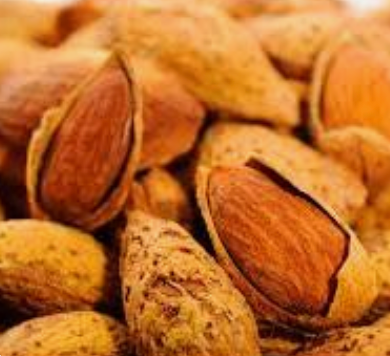
Almond oil guidance should connect kernel preparation, cold pressing, finish quality, and end-market use instead of treating the seed as interchangeable with commodity oil crops.
Sweet almonds only — bitter almonds contain hydrogen cyanide
Food-grade almond oil is pressed from sweet almonds (Prunus dulcis var. dulcis). Bitter almonds (var. amara) contain amygdalin, which releases HCN (hydrogen cyanide) during processing. Bitter almond oil requires separate, specialized treatment and is not covered here.
50–55% oil content, cold-press on 355–500 series
Sweet almond kernels are oil-rich and soft, making them ideal for cold pressing. The 355/400/426/480/500 series (370–630 ton, 100 kg/barrel, ~2 h/barrel) is the standard match. No pre-heating needed.
Food-grade culinary vs cosmetic-grade — different downstream
Culinary almond oil (gourmet cooking, baking, dressings) needs food-safety compliance and flavor preservation. Cosmetic-grade (skincare, massage, carrier oil) needs consistent fatty-acid profile, low peroxide, and cosmetic-registration documentation.
Almond cake is a high-value baking ingredient
Cold-pressed almond cake retains 8–12% oil and most of the protein. It is sold as defatted almond flour for macarons, marzipan, and gluten-free baking at prices far above standard oilseed meal. Cake handling should protect this value.
Process map
From raw material to crude oil
The press is one node inside a seed-specific process. When upstream prep is weak, downstream yield and filtration become unpredictable.
Verify sweet almond variety and grade kernels
Confirm sweet almond sourcing (never bitter). Sort by size, color, and condition. Remove broken, rancid, or discolored pieces. Check moisture (target 4–6%). Skin-on or blanched decision is made here.
Crush gently at ambient temperature
Almonds are soft (no hard shell at this stage) and crush easily. Roller or pin mill at ambient temperature. No pre-heating needed. Monitor crush temperature to stay well below 40 °C for cold-press claims.
Cold-press on 355–500 at 100 kg/barrel, ~2 h per barrel
370–630 ton downforce. Almonds yield well due to 50–55% oil content. Two barrels including loading take ~4.5 h. Residual oil in cake ≤5%. Cake is collected cleanly for almond-flour milling.
Filter for culinary clarity or cosmetic-grade purity
Culinary route: plate-and-frame filter for bright, golden oil with mild nutty aroma. Cosmetic route: finer polishing filtration targeting consistent color, low turbidity, and peroxide value ≤5 meq/kg.
Bottle for food retail or fill drums for cosmetic bulk
Culinary: 100–500 ml glass bottles, possibly with gift packaging. Cosmetic: 5–25 L sealed drums with batch CoA. Both routes use the matching almond filling section. Almond cake goes to a food-grade mill for almond flour.
Control points
Variables that matter before pressure is applied
Almond quality shows in both color and finish
Kernel grade, moisture, skin treatment, and storage all influence how an almond line behaves and what kind of oil quality is possible. These choices should be clarified before the press is sized.
Culinary and cosmetic routes should be separated clearly
Some almond oil buyers focus on food-grade gourmet products, while others think about cosmetic or personal-care ingredients. The press family may be similar, but the line discussion should reflect the intended downstream use.
Operator checkpoints
Batch-to-batch consistency comes from material grading, stable moisture, and a clear rule for when to recondition instead of forcing a cycle.
Quality discipline
Practical checkpoints before you promise oil quality
- Only sweet almonds (Prunus dulcis var. dulcis) produce food-safe oil. Verify the almond variety before any pressing begins — bitter almond amygdalin is a cyanide precursor.
- Almond cake value as defatted flour can rival the oil value. Handle cake in food-grade conditions, keep it dry, and mill it promptly to preserve protein quality and color.
- Cosmetic-grade requires consistent oleic/linoleic ratio (~65%/25%), peroxide ≤5 meq/kg, and batch-level CoA. Plan the filtration and QC steps before finalizing the press layout.
- Cold-press cycle is ~2 h per 100 kg barrel. Almonds are soft and yield well, so the cycle is straightforward — but batch size should match the bottling cadence, not a warehouse target.
- Skin-on pressing gives more golden, nuttier oil (culinary). Blanched pressing gives paler, milder oil (cosmetic). This decision must be made before the line is designed.
Quote prep
Information that speeds up engineering discussion
- Kernel condition, whether skins remain, and how the almond raw material is prepared before pressing.
- Target output and whether the oil is for gourmet food, cosmetic use, or another specialty channel.
- Required finish level, filtration scope, and whether filling or bottling is included in the project.
- How many almond product variants the line must support and how frequently batches change.
- Available site dimensions, utilities, and any existing tanks or downstream packaging equipment.
Questions to confirm next
Can bitter almonds be used for food-grade oil?
Which press model is recommended for almonds?
Is almond cake worth selling separately?
Keep the finish-quality path moving
These next topics protect low-temp control, filtration, and packaging fit
Ready to size a line for your oilseed?
Share kernel grade, low-temperature expectations, filtration cleanliness, and packaging direction. We size the line around a premium small-batch project, not a loose machine quote.