Blanched vs natural almond: blanching adds 90-95°C step, lighter oil
Blanching: 90-95°C × 1-2 min hot water → cold rinse → mechanical skin removal (rubber rolls + air aspirator). Adds ~30-60 min processing per batch. Output: blanched kernel (skin <0.5% by weight), pressed oil Lovibond Y 3-8, neutral flavor. Preferred for cosmetic + neutral-flavor food. Natural-skin almond: skip blanching, press directly. Output: oil Lovibond Y 10-20, richer almond flavor (skin contributes flavonoids + slight bitterness). Preferred for gourmet culinary. Note: blanched kernels oxidize faster post-blanching (skin protected the kernel oil); press within 24-48 h of blanching.
Blanching spec
Hot water 90-95°C × 1-2 min → cold rinse → rubber-roll skin remover + air aspirator. Skin loss <0.5% in finished kernel. Capacity 200-1000 kg/h. Press blanched kernel within 24-48 h to avoid oxidation.
Oil character difference
Blanched: Lovibond Y 3-8 (light golden), neutral flavor, smoother on skin (cosmetic) or palate (mild culinary). Natural: Y 10-20 (deeper golden), richer almond flavor, slight bitter notes from skin polyphenols (gourmet).
Storage and oxidation
Natural-skin almond stores 6-12 months ambient, 18-24 months refrigerated (skin protects). Blanched almond exposes kernel to O₂; press within 24-48 h or refrigerate ≤5°C. Blanched oil shelf life same as natural once bottled with N₂.
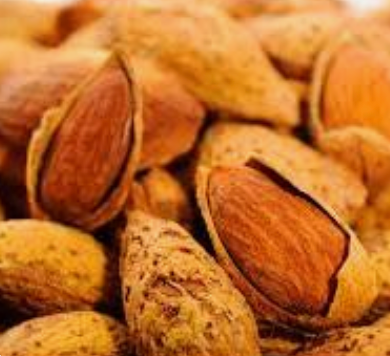
Pre-press preparation
What each kernel type requires
- Blanched kernel: hot-water blancher 90-95°C × 1-2 min → cold rinse → rubber-roll skin remover → drying to moisture 4-6%. Adds blancher + skin separator + dryer to line.
- Natural kernel: visual sorting → grading → moisture conditioning. Skip blanching. Simpler line by 30-40% capex on prep section.
- Storage post-blanching: blanched kernel oxidizes faster → press within 24-48 h or refrigerate ≤5°C in N₂-flushed bag/bin.
- Press parameters identical for both: 200-355 ton, 80-100 kg/barrel, ≤40-50°C jacket, 60-90 min cycle, yield 35-42%.
- Filtration depth choice depends on end market (cosmetic 0.22 μm vs culinary 1-5 μm bag), independent of blanching.
Oil profile differences
Why kernel skin matters for almond oil
Blanched kernel oil
Lovibond Y 3-8, neutral flavor, smooth on skin/palate. Easier to filter to 0.22 μm sterile (no skin polyphenols to clog membrane). Cosmetic and neutral-food applications.
Natural kernel oil
Lovibond Y 10-20, richer almond flavor + slight bitter notes from skin tannins/polyphenols. Filters to 1-5 μm bag for culinary clarity. Gourmet finishing oil applications.
Yield difference
Blanching removes ~3-5% kernel weight as skin → slightly lower yield per kg input (35-40% vs 38-42% natural). Compensated by higher cosmetic-grade unit price.
Questions to confirm next
Why does blanched almond oxidize faster than natural?
Is blanched required for cosmetic almond oil?
Keep the finish-quality path moving
These next topics protect low-temp control, filtration, and packaging fit
Ready to size a line for your oilseed?
Share kernel grade, low-temperature expectations, filtration cleanliness, and packaging direction. We size the line around a premium small-batch project, not a loose machine quote.